


If you ever went into a room and forgot why you went in, then you have witnessed how transient short-term memory can be. Working memory, the process tasked with holding and handling information in real time, is the force behind reasoning, comprehension, and making decisions.
Accelerated working memory improvement can considerably enhance your focus and attention, especially when supplemented by consistent exercise or tailored cognitive training programs, such as Cogmed working memory training, that provide systematic, science-backed drills that are customized to individual requirements.
Best Brain Training Drills for Fast Memory Capacity Gain
The brain thrives on challenge. Similar to how muscles develop strength through resistance, your memory strengthens when your brain is challenged to work just a little bit beyond its comfort level. This technique derives from neuroplasticity, the brain’s ability to rewire itself and form stronger neural pathways through intense effort and practice. The following are some evidence-based brain training exercises you can implement today to stimulate immediate benefits:
Dual N-Back Training
An evidence-based workout that builds fluid intelligence and working memory by having users track visual and auditory sequences simultaneously. Dual n-back forces continuous updating of working memory buffers and improves the brain’s ability to hold multiple items online.
Chunking Technique
Instead of memorizing general sequences of facts, break information into efficient “chunks.” For example, saying a 10-digit phone number as “202-555-1902” or recognizing the common difference pattern in number sequences, reduces cognitive load and improves recall. This method maximizes pattern recognition and recall.
Mental Math and Spatial Recall
Do mental arithmetic, visualize maps, or reproduce layouts from memory. Short, frequent practice tightens coordination between working memory and long-term stores, improving manipulation speed and retrieval accuracy.
Concentration Intervals
Segment short but focused time periods (e.g., 20 minutes) into one mental activity with no diversion. Not only does this technique condition your focus and concentration, but it also conditions your mind to recall and manipulate information under pressure.
If done regularly, these exercises can elicit improved outcomes in weeks, to help you think
quicker, recall better, and perform competently at work and in life.
How to Maintain Working Memory Improvement for Long-Term Effect?
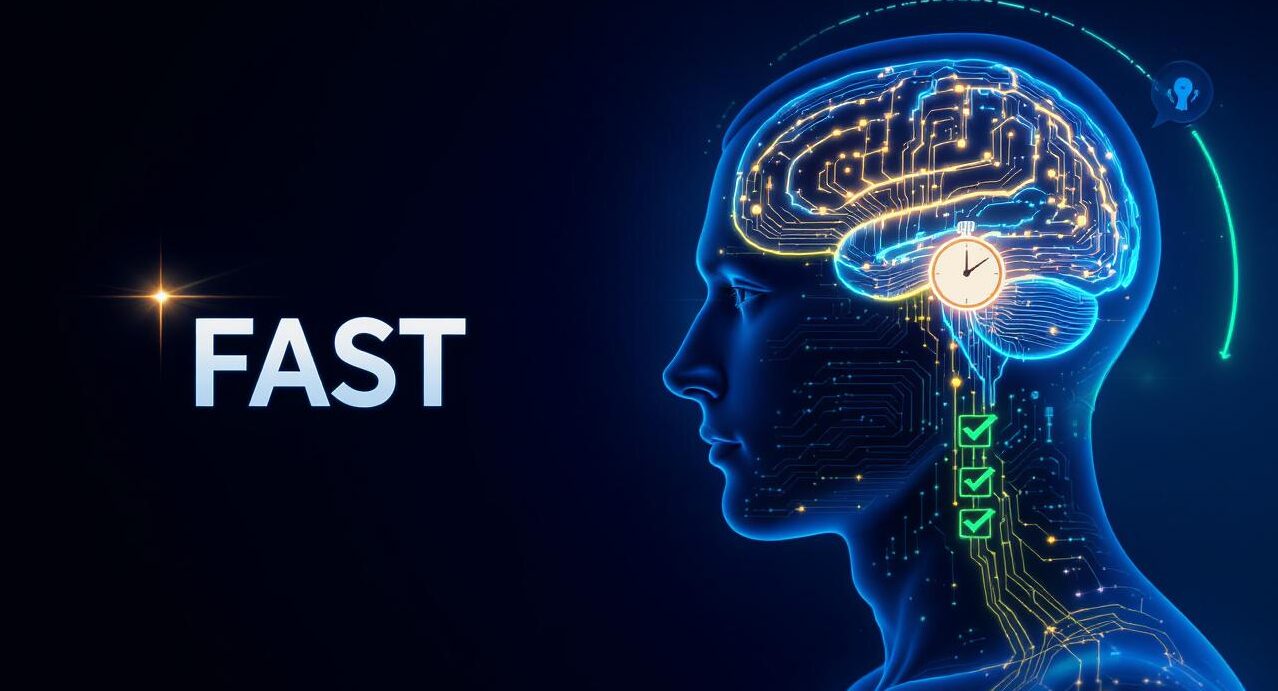
Short-term gain is satisfying, but long-term change takes continued effort. The mind learns best by doing things over and over again and building on them slowly, so even 10–15 minutes of training each day can keep your gains. As time goes on, steady working memory improvement enables higher-order thinking skills such as reasoning, problem-solving and flexibility, all essential components of fluid intelligence.
In order to track your progress, test your memory every few weeks. This will enable you to see how far you have come and challenge you to improve more on your accomplishment. There are also websites online that provide built-in progress tracking, which makes it easy for you to realize where you are best and worst.
Keep your mind active with diverse activities reading, puzzles and targeted drills to build cognitive resilience. For structured learning, consult memory resources: memory improvement books and evidence-based guides complement practical drills and provide frameworks for systematic practice. Select titles from lists of best memory improvement books to deepen technique and theory.
Maintaining your mind active with reading, puzzle games, or ongoing cognitive training programs can further cement your mental stability. Keep in mind: the more varied your activities, the higher your cognitive resilience. If you’re evaluating commercial aids or supplements that claim rapid gains, read independent IQ Blast reviews (and similar product evaluations) to verify efficacy before investing time or money.
Conclusion
Working memory improvement isn’t about learning how to memorize faster, it’s about conditioning your brain to handle complexity with clarity. By conditioning your brain through exercises and using cutting-edge technology like Cogmed working memory training, you’re not just improving your short-term memory but also investing in continued mental sharpness.
Regularity of effort, practice and purposeful challenge is the ideal combination for long-term working memory improvement, keeping your mind mentally fit, responsive and capable of handling whatever information the world presents to you.
FAQs
How to remember things?
Use active recall + spaced repetition: test yourself, then review at increasing intervals. Combine chunking and simple visuals (dual-coding) and practice short, focused sessions (10–20 min) for fast, durable gains.
What is the common difference?
The common difference is the fixed amount between consecutive terms in an arithmetic sequence (e.g., 2 in 3,5,7). Spotting this pattern lets you chunk lists into predictable units, drastically reducing memory load.
How to improve working memory?
Train with adaptive tasks (dual n-back, span tasks) 10–20 minutes daily, increase difficulty gradually, and support gains with sleep and aerobic exercise. Track progress and apply training to real tasks for better transfer.
What foods are good for memory improvement?
Prioritize omega-3 rich fish, berries (polyphenols), leafy greens, nuts (vitamin E), and whole grains for steady glucose; stay hydrated and limit ultra-processed foods. Supplements can help but verify efficacy and safety first.
Does dual n-back actually improve intelligence?
Dual n-back reliably raises working memory span and task performance; evidence for broad IQ gains is mixed but positive when paired with varied cognitive training and real-world practice.
How long until I see improvements from memory training?
Expect measurable task improvements in 2–6 weeks with regular practice (10–20 min/day); broader cognitive or real-world transfer typically appears after 6–12 weeks plus lifestyle support (sleep, exercise).