


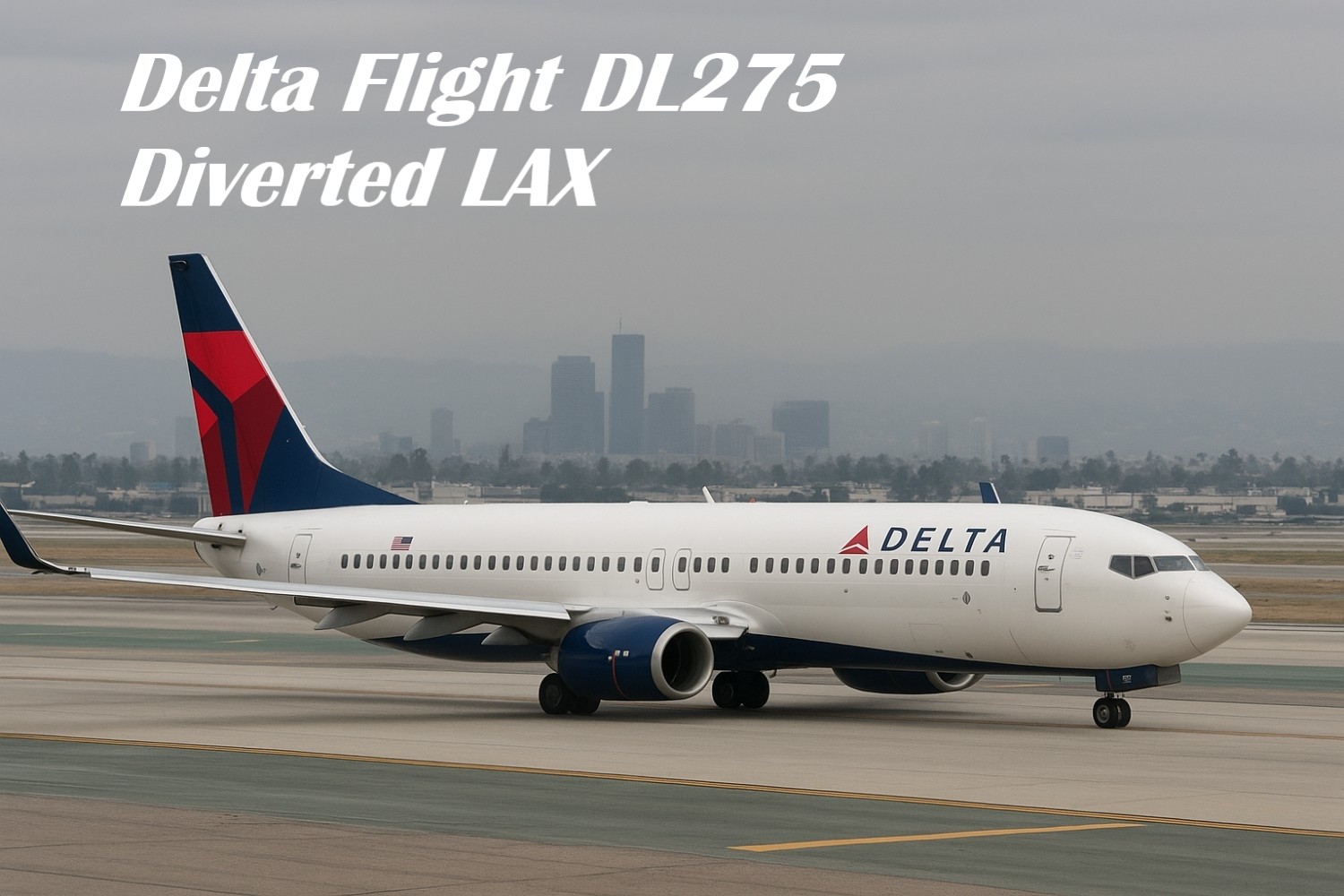
What happens when a routine international flight suddenly needs to change course mid-journey? Delta flight DL275 diverted LAX after a major engine anti-ice issue. This happened while it was flying over the Pacific Ocean. The incident quickly sparked major talk among travelers, aviation experts, and safety analysts.
A flight from Detroit to Tokyo Haneda was set for 13 hours. The Airbus A350 took a surprising turn. The crew saw strange readings in a key system. The aircraft flew for about 5 hours to Los Angeles International Airport, but it didn’t follow the planned route. It landed safely at 1:08 AM local time on May 28, 2025. Passengers traveled for a total of 12 hours and 15 minutes. During this incident, we saw how flight diversions happen when planes can’t safely land. These situations need quick decisions and careful execution of emergency protocols.
Delta Flight DL275 Diverts LAX After Mid-Air Alert
Flight path and original destination
On December 9, 2025, Delta flight DL275 began as a routine international journey. The Airbus A350-900 departed from Detroit Metropolitan Wayne County Airport (DTW) with Tokyo’s Haneda International Airport (HND) as its destination. This popular route usually takes about 13 hours. It caters to both business travelers and vacationers crossing the Pacific. Normally, the aircraft takes a transpacific route. It flies over Alaska and the northern Pacific, then lands in Japan. Passengers were ready for the long flight. They expected to reach Haneda’s Terminal 3 after 13 hours and 40 minutes.
When and where the diversion occurred
The situation changed dramatically approximately five hours into the flight. At 38,000 feet above the Pacific Ocean, the flight crew spotted a serious mechanical issue. They were about 620 nautical miles southwest of Anchorage. The diversion happened on May 28, 2025. The aircraft landed safely at Los Angeles International Airport at 1:08 AM local time. Passengers had a total travel time of 12 hours and 15 minutes. This was shorter than their expected flight to Tokyo. It was still much longer than planned due to unexpected changes. Los Angeles became the diversion point. Its location along the flight path is strategic. Also, it can manage the situation well.
Initial response from the flight crew
When the warning signal went off, the flight crew acted quickly. They began emergency protocols right away. The cockpit got an alert about a failure in the anti-ice system of one Rolls-Royce Trent XWB engine. This system is key to preventing ice from forming at high altitudes in cold regions. The pilots chose not to fly to Tokyo, as it was too risky given their remote location over icy areas.
They coordinated with air traffic control to arrange an emergency landing at LAX. Delta has maintenance facilities there for the Airbus A350. The cabin crew kept passengers calm and informed during this unexpected situation. Their quick response ensured no injuries. This shows the airline cares about passenger safety.
What Triggered the Diversion Mid-Flight?
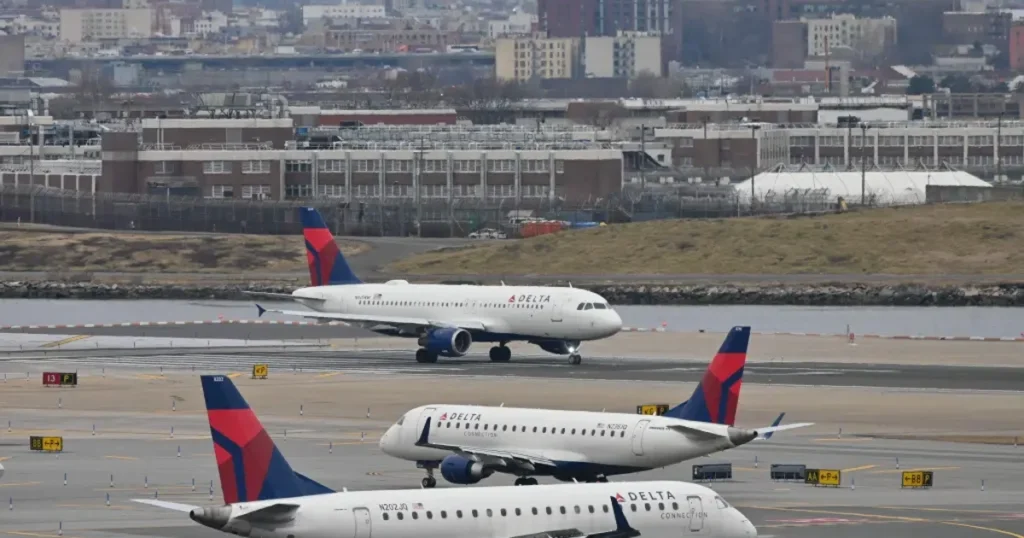
Delta flight dl275 diverted lax made an unscheduled landing at LAX due to a serious technical issue. This problem involved a key safety system that pilots must address.
Anti-ice system malfunction in Rolls-Royce engine
Flight DL275 faced a malfunction in the anti-ice system of one Rolls-Royce Trent XWB engine. This system usually circulates heated air to stop ice from forming at high altitudes. It maintains temperatures from 400 to 600 degrees Fahrenheit. This keeps essential engine surfaces free of ice.
The Airbus A350’s anti-ice function relies on bleed air from the compressor stages. If this system fails, it compromises the function. The failure occurred about five hours into the flight. It happened while the aircraft was over the cold airspace of the Bering Sea.
Why the issue posed a serious safety risk
Aircraft engine icing presents potentially catastrophic risks. In the past, similar incidents led to major safety issues. One example is the 2008 British Airways crash landing at Heathrow Airport. There, ice built up and blocked fuel flow to both engines. In November 2008, a Delta Airlines Boeing 777 had a power decrease, or “rollback,” over Montana.
The risk lies in how ice formation can rapidly degrade engine performance. Without working anti-ice systems, ice can build up on engine parts. This may cause power loss or even total engine failure. Crossing the wide Pacific Ocean can be risky. If an anti-ice system fails, options for diversion are limited, making the situation even more dangerous.
Aviation authorities take these failures seriously. Following the 2008 incidents, the National Transportation Safety Board warned there was a “high probability” of similar events happening again. Regulatory bodies eventually mandated equipment modifications to address these concerns.
How the crew identified the problem
The flight crew found the problem using several sensor readings. These readings showed that the system was degrading. The data showed specific results:
- Airflow had dropped by 50 percent
- Bleed air pressure decreased by 25 percent
- Valve response slowed by over 300 percent
- Temperature fell 30 percent below normal operating parameters
The readings showed the system was breaking down fast. This made ice formation more likely. No engine performance issues happened right away. Continuing the flight could expose us to icy conditions. This might impact engine performance.
When the flight crew saw these warning signs, they quickly followed emergency protocols. They decided to divert instead of risking a flight over the remote Pacific. This precaution focused on passenger safety rather than sticking to the schedule. That’s exactly what aviation safety protocols aim to achieve.
How Delta and LAX Responded to the Emergency Landing
When Los Angeles International Airport found out about Delta flight dl275 diverted lax, they quickly got ready for the emergency.
Emergency protocols activated at LAX
LAX promptly initiated their emergency response protocols. Ground crews positioned emergency vehicles near the runway as a precautionary measure. The airport cleared a specific runway and assigned an appropriate gate for the incoming A350. Moreover, medical personnel were placed on standby to address any potential passenger needs. LAX has solid infrastructure. This makes it ideal for diverting large international planes in emergencies.
Passenger deplaning and terminal processing
At about 1:08 AM local time, passengers got off the plane normally at the gate. Medical staff remained available for anyone requiring assistance. Afterward, Delta representatives set up information stations to help with rebooking and accommodations. Passengers proceeded to customer service desks for hotel arrangements and next-flight options.
Aircraft inspection and maintenance procedures
Following the safe landing, maintenance specialists immediately began a standardized post-event review. Engineers inspected the affected engine and started diagnostic checks. The inspection process involved checking digital fault logs and looking at parts of the anti-ice system. The aircraft remained grounded until all necessary checks were completed.
Delta’s official statement and crew commendation
Delta Air Lines quickly issued a statement emphasizing that “safety comes before all else”. The airline praised the flight crew. They followed “extensive training and procedures” to divert to Los Angeles, leading to a safe landing. Additionally, Delta apologized to customers for the experience and travel delay. The airline confirmed that all 220 passengers, along with the two pilots and six flight attendants, were put on new flights.
You May Also Like: Is Your Lift Safe to Use? This sign shows when a lift is safe to use
What Passengers Experienced During and After the Diversion
During the unexpected diversion of Delta flight DL275 to LAX, passengers felt a mix of emotions. This major change disrupted their travel plans.
In-flight communication and cabin atmosphere
As the decision to divert was made, the cabin crew immediately shifted into their emergency management protocols. Flight attendants maintained regular announcements, providing updates as information became available. The atmosphere stayed calm despite the unexpected situation. There were no signs of panic or distress. Observant travelers noticed subtle changes. Flight attendants moved around the cabin more often. Crew radios buzzed with more chatter. First-time travelers showed concern when they heard the diversion announcement. In contrast, frequent flyers remained calmer, trusting the crew’s professionalism. The pilots clearly explained that the diversion was precautionary, not an emergency. This helped reduce anxiety among the 300+ passengers.
Rebooking, hotel accommodations, and meal vouchers
Once at LAX, Delta quickly mobilized to assist the stranded travelers. The airline provided:
- Hotel accommodations at nearby hotels for overnight stays
- Daily meal vouchers worth $75 per passenger
- Transportation services between the airport and hotels
- Priority rebooking assistance for those with urgent connections
Most passengers were rebooked on the next flights to Tokyo. They mainly took DL275 and DL295, leaving the next day. Those with connecting flights faced one to two-day delays to their original plans. Delta’s customer service team got praise for their quick and organized response. This was notable, especially since it was a middle-of-the-night arrival.
Passenger reactions on social media and Reddit
Within hours, hashtags like #DL275 and #DeltaDivertedLAX started trending in travel and aviation circles. Travelers had mixed reactions. Many praised the crew’s professionalism and clear communication. Others felt frustrated by the disruption. Reddit threads and travel forums are full of firsthand accounts. They discuss possible technical reasons for the diversion. Most social media responses praised Delta’s transparency and quick decisions. People called it “a textbook example of safety-first thinking in commercial aviation.” Several passengers said Delta’s response boosted their loyalty to the airline.
Conclusion
The diversion of Delta flight dl275 diverted lax shows how well modern aviation safety systems work in real situations. During this event, we saw emergency protocols executed perfectly. Flight crews made quick, critical decisions when facing an anti-ice system failure. They prioritized passenger safety instead of sticking to the schedule. Their quick response prevented a more serious situation over the remote Pacific waters.
Delta’s ground response likewise showcased efficient crisis management. After landing safely at LAX, passengers received rooms, meal vouchers, and help with rebooking. This happened even though it was the middle of the night. Subsequently, maintenance teams immediately began thorough inspections of the affected Rolls-Royce engine components.
Passengers faced major inconvenience due to the diversion. However, the outcome highlights the aviation industry’s commitment to safety. Pilots, air traffic controllers, and ground staff acted quickly. Their response stopped a technical issue from getting worse. So, while flight DL275’s diversion was disruptive, it shows how aviation safety systems work during real emergencies.
FAQs
Q1. What caused Delta Flight DL275 to divert to LAX?
The delta flight dl275 diverted lax due to a malfunction in the anti-ice system of one of its Rolls-Royce Trent XWB engines. This issue was a major safety risk, especially when flying over remote Pacific areas with cold weather.
Q2. How did Delta handle the situation after the emergency landing?
Delta acted fast to support passengers. They provided hotel rooms, meal vouchers, transport, and priority help with rebooking. The airline released a statement. They stressed their commitment to safety and praised the flight crew’s actions.
Q3. Were there any injuries or panic among passengers during the diversion?
No injuries were reported, and the cabin atmosphere remained controlled throughout the incident. The flight crew talked to passengers regularly. This helped keep everyone calm and informed about what was happening.
Q4. How long was the total flight time for the diverted DL275?
The total flight time for the diverted DL275 was approximately 12 hours and 15 minutes. This included about 5 hours of flight before the diversion decision was made, followed by the journey to LAX.
Q5. What safety measures were taken at LAX to handle the emergency landing?
LAX activated emergency protocols. They positioned emergency vehicles near the runway and cleared a runway for the incoming A350. Medical staff were on standby. The airport was ready to manage large international planes in case of emergencies.